How to save on renovation: seven ways and one main one
Money during renovation rarely goes to expensive materials. It leaks in small things: rework, buying "three more boxes," leftover waste that sits in storage for years, and impulse purchases "because it's beautiful." Individually these are pennies, together — an amount that could have furnished an entire room. Let's break down how to stop it.
Seven ways to save on materials and labor
Buy by list, not "by eye." Stores sell by package, so "roughly that much" almost always results in either shortage or leftovers. Write down each item with quantity and buy exactly that amount.
Calculate buffer in advance. For tile with straight layout, typically around 10% buffer is factored in, with diagonal or complex layout — more. Buy tile and wallpaper in one batch: another batch may have a different shade, and the wall will look "patched."
Match tile format to wall dimensions. If a wall fits almost exactly into whole tiles, there'll be little cutting. If not, you'll have narrow strips at floor and ceiling, and waste and contractor labor will cost more. Sometimes switching to an adjacent format is enough.
Don't skimp on what's hidden behind finishes. Electrical, waterproofing, pipes — these are invisible later and most expensive to redo. A thousand saved on cable turns into an opened wall and new tile.
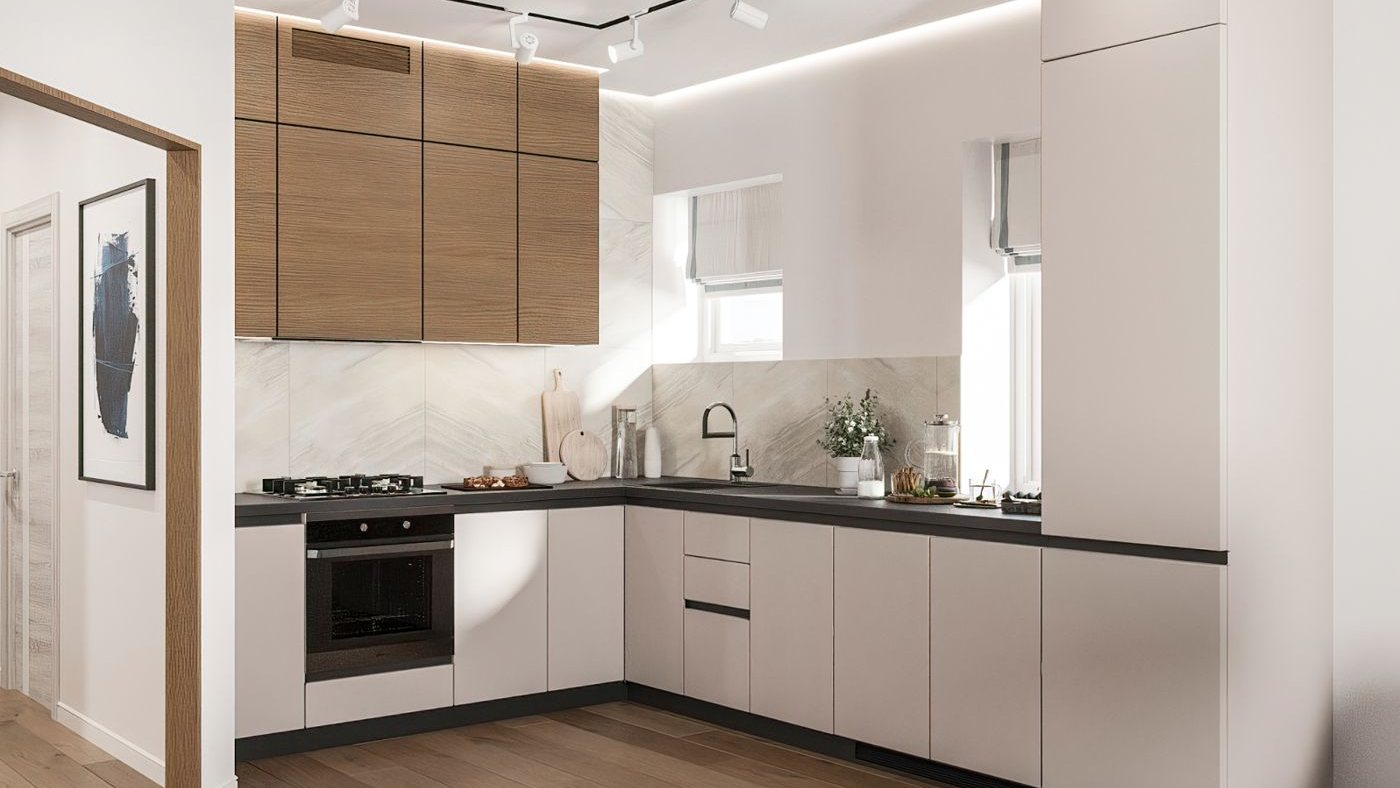
Choose standard sizes where custom isn't needed. Furniture and appliances in standard sizes cost noticeably less than custom and arrive faster. Reserve custom for niches where it actually gains you centimeters.
Compare identical items across suppliers. Same article number, same size, same batch — and price including delivery and stair carry. On the same tile the difference can be significant, and across a large order it adds up to a noticeable sum.
Order large items in advance. If the crew stands waiting for tile or plumbing, downtime is also money. And in a rush they take what's in stock, not what fits.
All seven ways share a common foundation: you need to know exact quantities and decisions before work begins. This is exactly what gives the main method.
The main method: a design project
In our experience, a design project helps save significant amounts on renovation, and savings can reach up to a million rubles. This is the studio's estimate, not a guarantee: the result depends on area, scope of work, and chosen materials. But the mechanism is always the same.
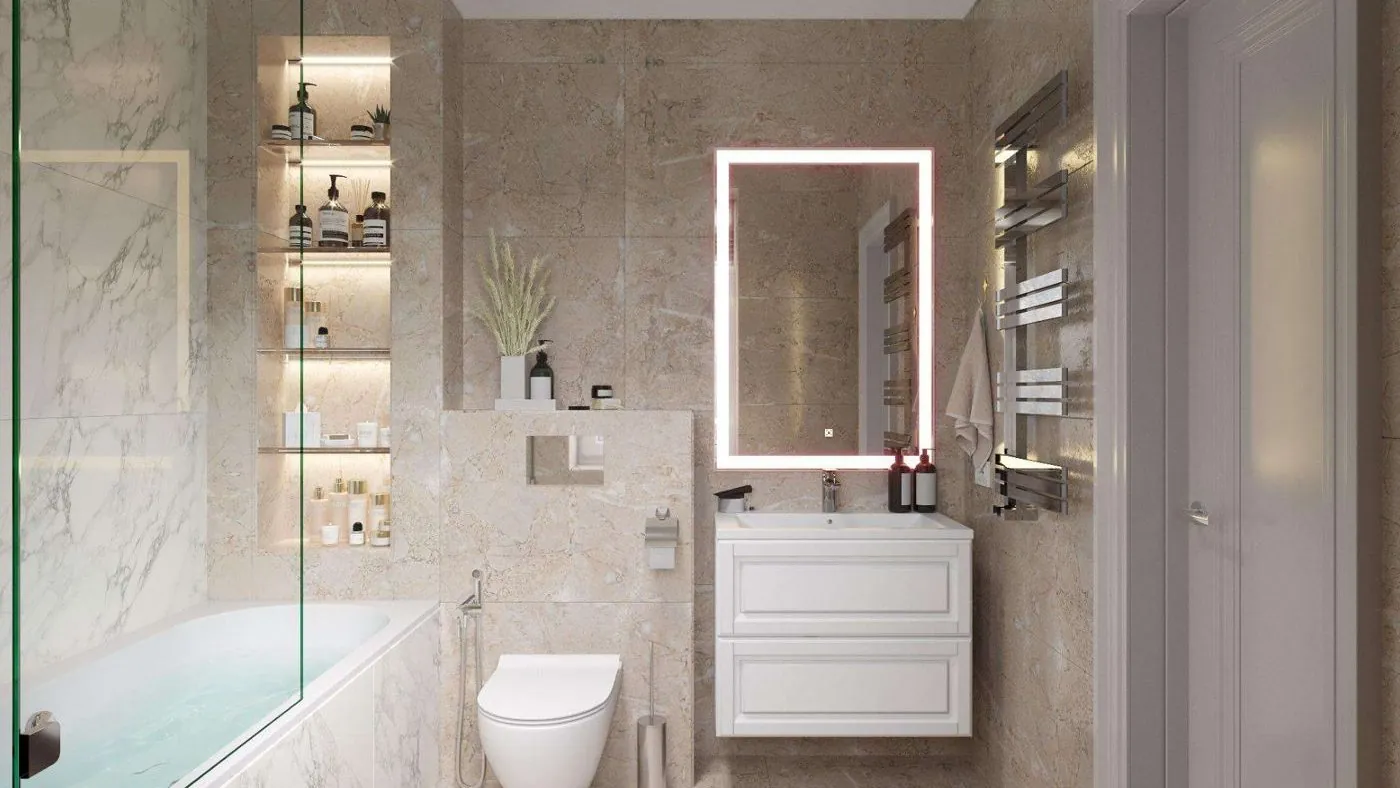
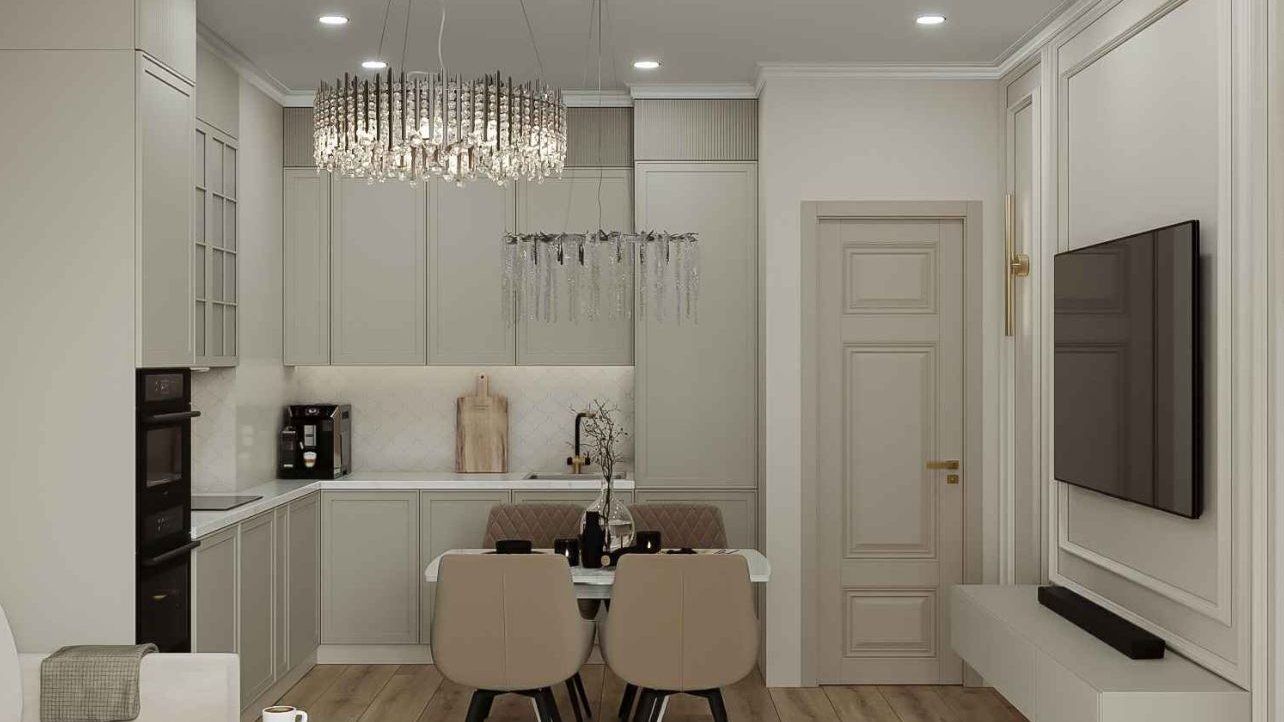
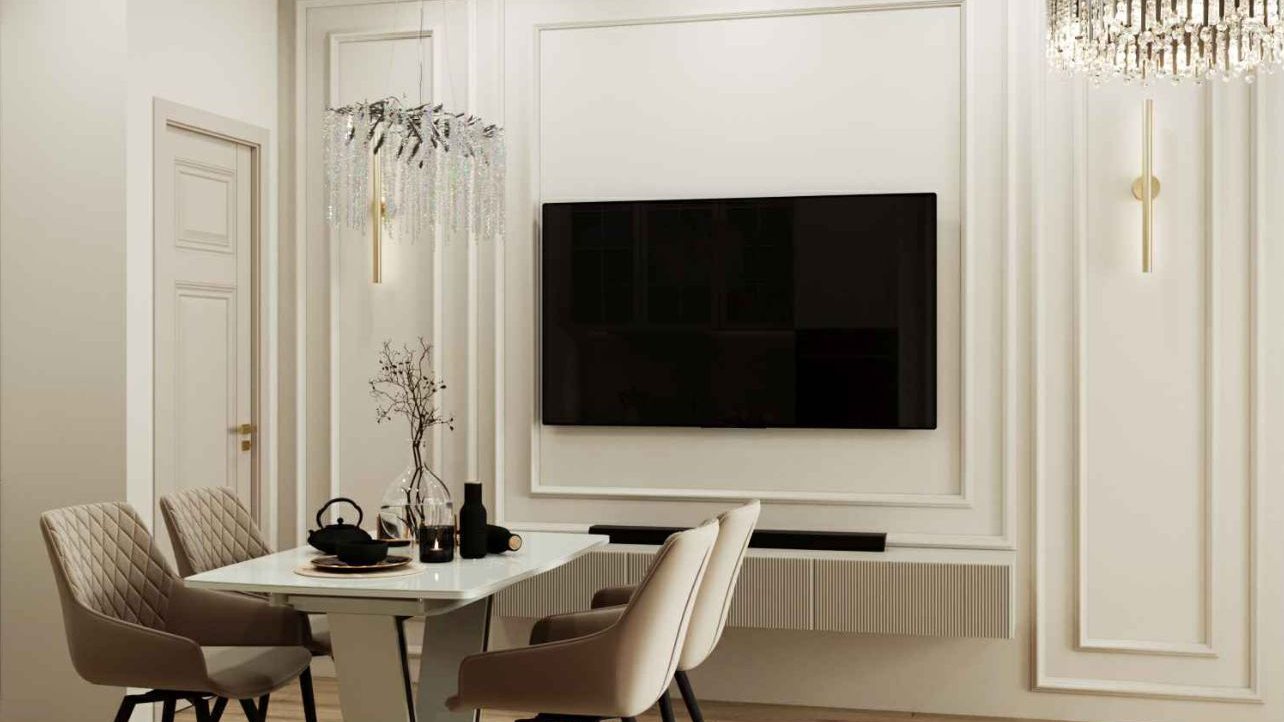
You see the result before renovation begins. Visualizations show the interior — up to three angles of each room. Don't like a color or texture — you change it on screen, not by re-laying tile.
All details are accounted for in advance. Demolition, construction, electrical, and plumbing drawings are tied to furniture. An outlet won't end up behind a cabinet, the kitchen fits into the niche, and lighting is planned according to the control scheme. A wall sconce by the bed won't require wall chasing later.
The estimate is calculated precisely. The work estimate is built on volumes from the project, not averaged figures. You know the amount in advance and can calmly set aside a 10–15% reserve for what's hidden until opened.
Materials are purchased precisely. In the materials and furniture specification, each item has a quantity calculated from drawings, including tile layout. You buy with the right margin: no need to buy more if something runs short, and no excess left over.
That's why a project isn't another expense — it's a way not to lose money on each one.
Short answer
Money goes to rework, extra purchases, and surplus. Buy from a list, calculate margin in advance, don't skimp on hidden work, and purchase on time. And the most reliable way to save — a design project: precise estimate, precise materials, and understanding of the result before the first swing of the hammer.
We visit the site, then work online.
Interior design project — from ₽29,900.
DAVart — your creative experts.